Free Classic Crochet Dishcloth Pattern for Beginners
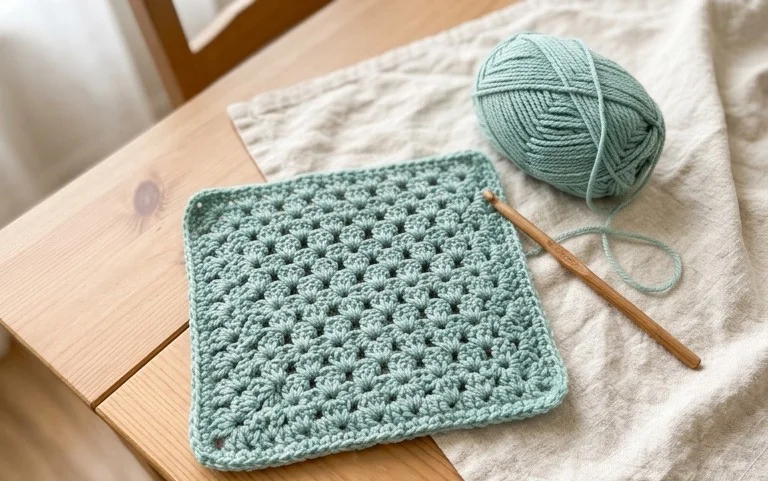
A fresh cotton dishcloth brings a simple pleasure to your daily kitchen routine, especially when you have made it yourself. This finished piece feels dense and heavy in your palm, with a squishy texture that handles scrubbing tasks without scratching surfaces. Whether you are building a housewarming gift set or just replacing worn-out sponges, this project suits makers of every level because it moves quickly between your fingers. You will master the moss stitch, a basic sequence of chains and single crochets that creates a sturdy fabric. Grab your favorite worsted cotton and enjoy this relaxing, rhythmic hook work today.
Why You’ll Love This Pattern
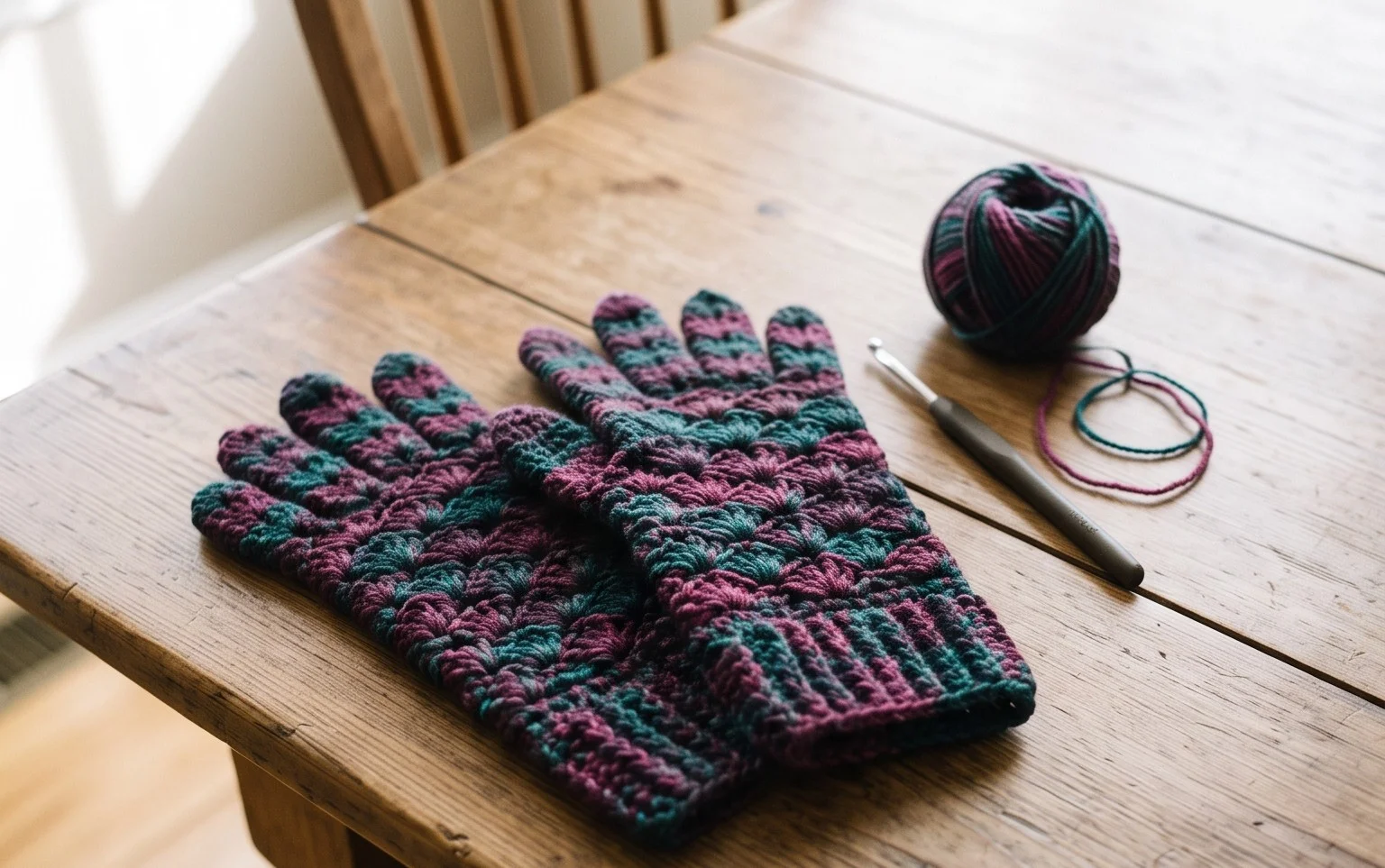
The Classic Crochet Dishcloth is a functional, durable essential that works up quickly using simple, repetitive stitches. Because it relies on basic techniques, it serves as a meditative project perfect for picking up during short breaks. The dense texture created by the moss stitch ensures the fabric is sturdy enough for scrubbing dishes yet soft enough for delicate surfaces. You can complete this project in an afternoon, making it an ideal choice for testing new cotton yarn colors or building up a stash of reliable kitchen staples.
I managed to finish three of these over the weekend while watching television. They are much more absorbent than the store-bought sponges I used to rely on.
— Sarah, home cook
Pattern Overview & Skill Level
- Skill Level: Beginner
- Approximate Time: 1 to 2 hours
- Construction: Worked in rows from the bottom up
- Finished Dimensions & Sizing: 8 inches by 8 inches
Materials & Supplies Needed
- Yarn: Worsted weight (#4), 100% cotton yarn, approximately 70 yards per cloth. Cotton is preferred for its heat resistance and absorbency.
- Hook Size: 5.0 mm (H-8) crochet hook.
- Notions: Tapestry needle for weaving in ends, scissors, and a measuring tape.
- Safe yarn substitutions: You may use a cotton-linen blend for increased durability. Be aware that acrylic yarn will not absorb water effectively and is not recommended for kitchen use. If you swap to a different cotton brand, check your gauge, as a change in yarn thickness will alter the final dimensions.
Stitch Guide & Abbreviations (US Terms)
- ch: chain
- sc: single crochet
- st/sts: stitch/stitches
- sk: skip
- Moss Stitch: A combination of single crochet and chain stitches where the single crochet is worked into the chain space of the previous row.
Step-by-Step Pattern Instructions
Foundation and Main Body
- Row 1: Ch 32. Sc in 4th ch from hook. *Ch 1, sk 1 ch, sc in next ch. Repeat from * across. Turn. (15 sc, 15 ch-1 spaces)
- Row 2: Ch 2 (counts as first ch and skip), sc in the first ch-1 space. *Ch 1, sk next sc, sc in next ch-1 space. Repeat from * across, working the final sc into the space created by the turning chain. Turn. (15 sc, 15 ch-1 spaces)
- Row 3-30: Repeat Row 2 until the piece measures 8 inches long.
Finishing
Once you reach the desired length, fasten off your yarn, leaving a 6-inch tail. Use a tapestry needle to weave the tail back and forth through the stitches on the back side of the cloth to secure it. Trim any excess yarn close to the fabric, being careful not to cut the actual stitches.
Care & Washing Instructions
- Machine wash the dishcloth in warm water with like colors on a gentle cycle.
- Tumble dry on low heat or lay the cloth flat on a clean towel to air dry to prevent shrinkage.
- If the cloth loses its square shape after washing, gently tug the corners while damp and lay it flat to dry.
Pro Tips & Common Mistakes to Avoid
Consistent tension is vital for a flat result; if your edges look wavy, try using a slightly smaller hook. Always place a stitch marker in the first chain space of each row to ensure you do not accidentally skip stitches at the edges, which is the most common reason for uneven sides. When weaving in your ends, run the needle through the center of the stitches rather than around them to ensure the yarn does not pull out during heavy scrubbing. To adjust the size, simply increase or decrease your starting chain by an even number of stitches; keep in mind that a larger cloth will require significantly more yardage.
Frequently Asked Questions
Can I use a larger hook for this pattern?
Yes, using a larger hook will make the fabric feel looser and more flexible. This is fine for dusting, but a tighter gauge is recommended for dishcloths to ensure they hold up against heavy scrubbing.
Is this pattern suitable for someone who has never crocheted before?
This pattern is an excellent choice for a first project. It uses only single crochet and chain stitches, providing plenty of practice to develop steady tension.
Am I allowed to sell the dishcloths I make from this pattern?
You are welcome to sell finished items made from this pattern. Please credit the design to this tutorial when listing them in your shop.
How can I change the color throughout the project?
To change colors, complete your final pull-through of the last stitch in a row with the new color. Drop the old color and pick up the new one, ensuring you carry the yarn up the side if making stripes, or fasten off and rejoin at the start of each row for a clean look.
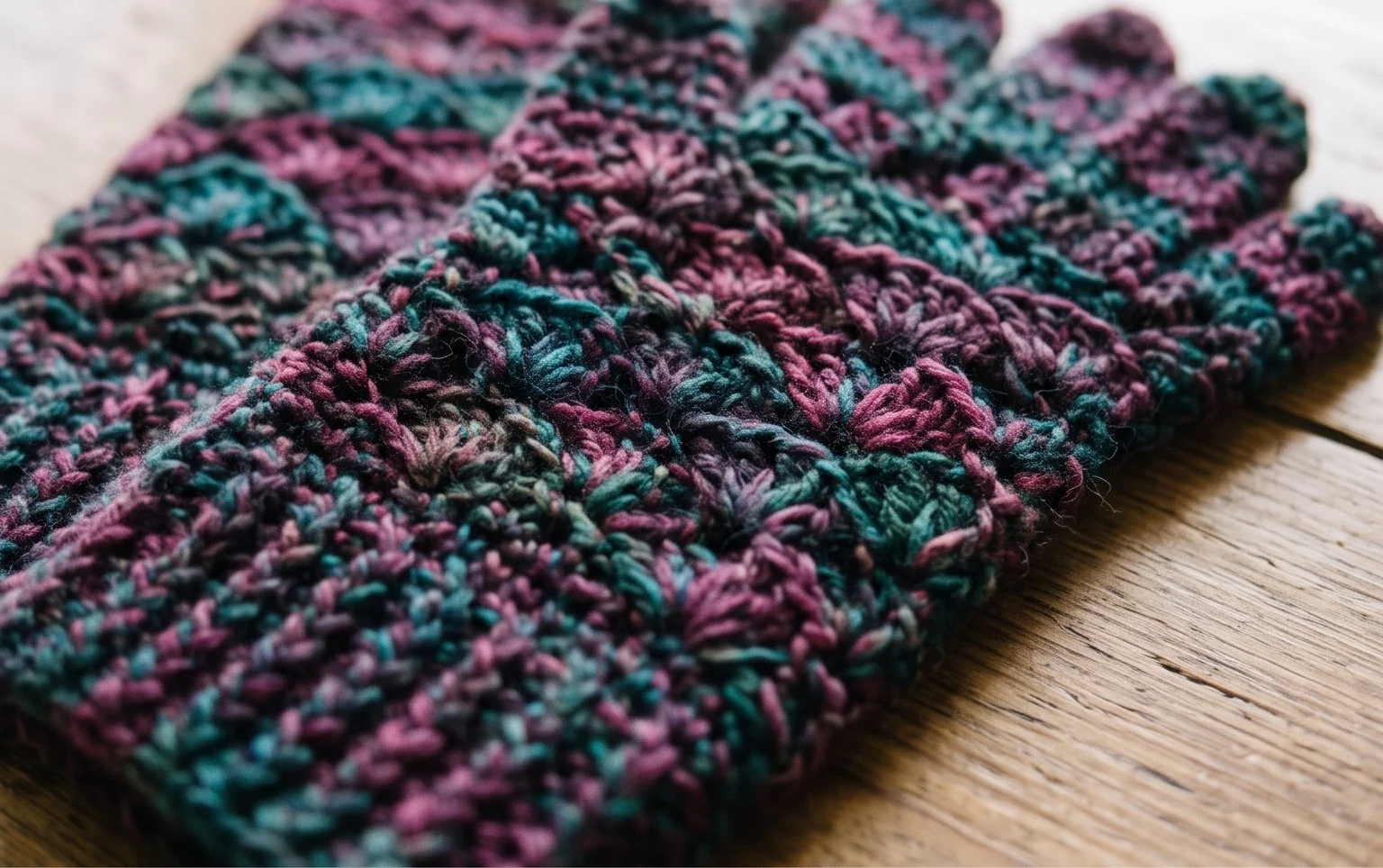
Your finished cloth will hold up to daily scrubbing for months, provided you rinse it well after each use. You can easily switch to a variegated yarn if you want a playful pop of color in your sink area. Once your cloth is ready, snap a quick photo and share your progress on social media so others can see your work. I encourage you to browse the rest of the blog for more handmade projects that help you stock your home with useful items.